Storytelling and Story Reading

Tips, Information and Resources
for Teachers, Parents, and Children

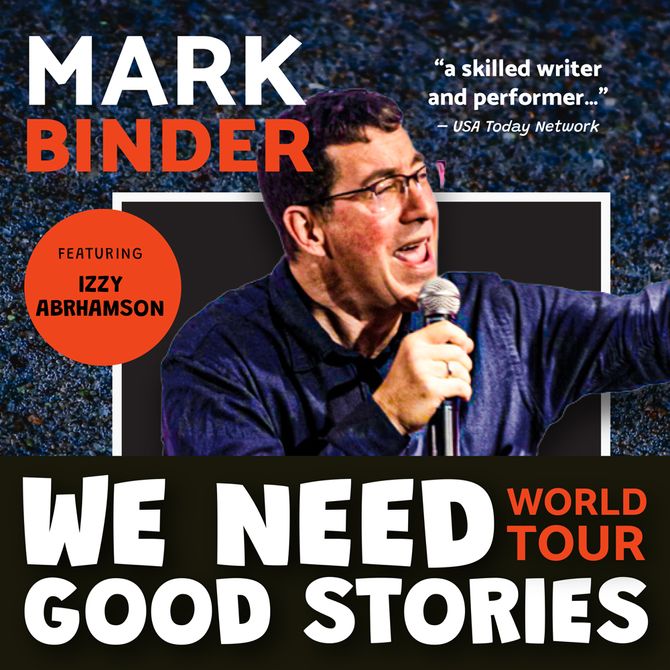
by Mark Binder

What's the difference between story telling and story reading? It's simple. When you tell a story, you're not reading it. Is one better than the other? Nope.

When you don't feel like reading a story to your kids, try telling (or retelling) an old favorite.

Tips for Good Story Telling

  1. Pick a story you like.
  2. You only have to remember the important plot points everything else is up for grabs-- For example, inthe three pigs...
    1. Pigs live in houses of Straw, Sticks, Bricks
    2. Wolf comes to house of Straw and then Sticks (Blows them In)
    3. Wolf comes to House of Bricks and fails
    4. Pigs defeat wolves
  3. Talk LOUDLY! If you can't be heard, then your story isn't being communicated
  4. Talk slowly -- especially at first. When youngsters (or anyone else) are getting started, it takes some time for their brains to change gears
  5. Change your speaking tempo -- talk slow and then fast, and then slow. Don't rush, but don't dawdle either. Reading. Every. Word. Is. Boring. Emphasize the important words.
  6. Use your consonants. Make sure you hit those Ts and Ds -- HiT, ThuD. Excellent sounds
  7. Try different voices for different characters. Don't worry if you make mistakes. If you are embarrassed by this kind of silliness, close your eyes.
  8. Move around. You're not tied to the book. If you feel like jumping, jump!

Tips for Good Story Reading

  1. Take your time. Don't rush the story.
  2. Let young kids turn the pages. They may still be looking at the pictures.
  3. Pick a story you like. (Get rid of the really awful ones -- throw them out while nobody's looking)
  4. Pick stories that the kids like -- even if you might not like them, if they're interested they'll want to continue.
  5. Long chapter books are great read-aloud stories for whole families. Always stop in mid-action so that they'll want toear more the next night. Be careful about scaring younger kids with things like Harry Potter. Reading from Tom Sawyer works!
  6. Find stories that have fun words. (Jamberry and Barnyard Dance are two excellent ones for younger kids.)
  7. Use silly voices. Add sounds. Cows always say "Moo" even if it's not printed on the page.
  8. Ask questions. "What do you think is going to happen next?" In Goodnight, Moon, ask the little ones to find the mouse.
  9. In a repetitive story, allow the kids to finish the sentences for you.
  10. Let the kids sit on your lap or nestle next to you. The warmth of your body will feel good, and your voice will resonate deeply.
  11. Go to the library and let the kids pick whatever they like. As they get older, you'll be able to help them edit their selections.
  12. Ask the librarian for help finding books you remember from your childhood.

Some Resources

Rhode Island Reads - 401-454-1054
http://www.ri.net/PEF/RIREADS/
US Department of Education
Helping Your Child Become a reader- Ages 1-6 - http://www.ed.gov/pubs/parents/Reader/index.html
American Library Association
Reading Resources for all ages http://www.ala.org/parents/
 
Copyright 2001 by Mark Binder. All Rights Reserved.
http://www.markbinder.com/storyteller